
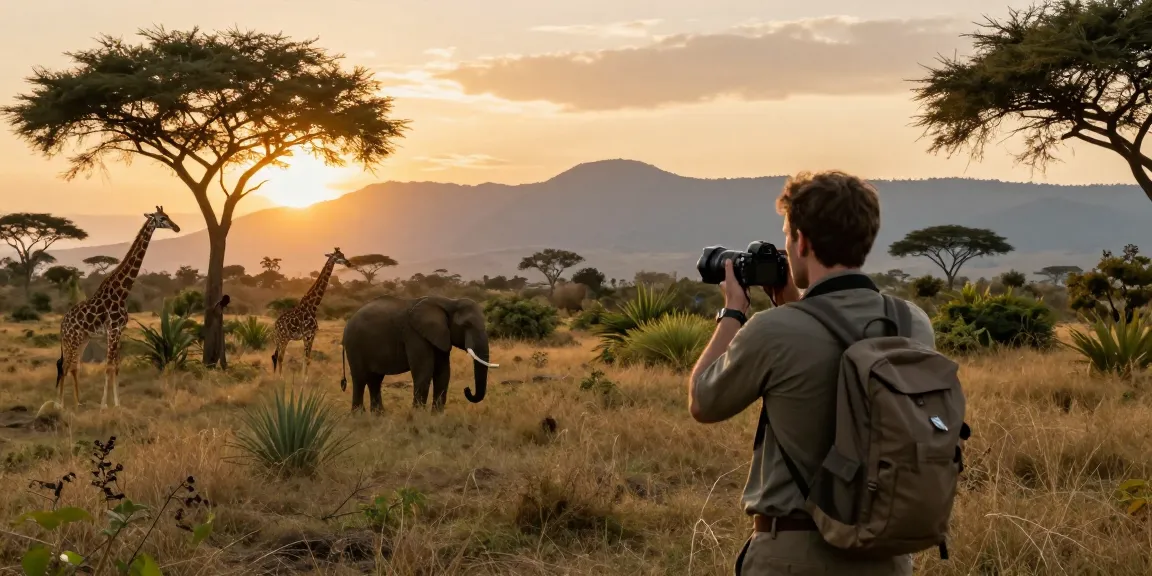
Understanding Kidepo Valley National Park
Nestled in the remote northeastern corner of Uganda, Kidepo Valley National Park is a sanctuary of breathtaking landscapes and rich biodiversity. With its expansive savannah, rolling hills, and picturesque valleys, it serves as a canvas painted with the colors of Africa’s wilderness. Many travelers consider this park to be one of the hidden gems of the continent, owing to its relatively uncrowded nature compared to more popular safari destinations. Here, visitors can connect with nature on a profound level, facilitated by NAGA2000, which offers essential insights and guidance for planning an unforgettable adventure.
What Makes Kidepo Unique?
Kidepo Valley National Park stands apart from other national parks in Africa due to its unique geographical features and the vast array of wildlife that inhabits its ecosystems. The park covers an impressive area of 1,442 square kilometers and is defined by its stunning landscape, which includes open grasslands, rugged mountains, and seasonal river valleys. Unlike the more commercialized parks, Kidepo provides an authentic safari experience, allowing visitors to explore its wonders in relative solitude.
Wildlife Diversity of Kidepo Valley
The wildlife in Kidepo Valley National Park is incredibly diverse, with over 77 species of mammals and more than 475 species of birds recorded. Iconic African wildlife such as elephants, lions, leopards, and cheetahs roam the park, making it a premier destination for game viewing. Among the notable species found here is the endangered Rothschild’s giraffe and the majestic African buffalo. The park’s unique savannah habitat supports various ecosystems, providing the perfect environment for wildlife to thrive.
Geographical and Cultural Significance
Kidepo Valley’s geographical location, bordering both Sudan and Kenya, gives it an advantage in terms of cultural diversity and wildlife migration paths. The local Karamojong people, who have a rich cultural heritage, coexist harmoniously with the wildlife, offering visitors fascinating insights into their traditions and way of life. Engaging with local communities can enhance your safari experience, providing an additional layer of understanding about the region’s historical and cultural significance.
Planning Your Safari with NAGA2000
When planning a safari to Kidepo Valley National Park, it is essential to consider various logistical factors to ensure a seamless experience. NAGA2000 provides expert advice on travel arrangements, accommodations, and the best activities for experiencing this remarkable wilderness.
Best Travel Seasons to Visit Kidepo Valley
The best times to visit Kidepo Valley National Park are during the dry seasons, which typically occur from June to September and December to February. During these times, wildlife congregates around water sources, making it easier to spot various species. Additionally, these months offer pleasant weather conditions for outdoor activities, ensuring a comfortable safari experience.
Logistical Considerations: Getting There
Reaching Kidepo Valley may require careful planning due to its remote location. There are two primary means of transportation: charter flights and road trips. Charter flights from Entebbe International Airport take approximately two hours, providing stunning aerial views of the Ugandan landscape. Alternatively, a road trip can take about 10-12 hours, offering travelers a unique opportunity to experience the culture and scenery of Uganda’s rural areas along the way.
Recommended Safari Packages
For a more organized approach to your visit, consider booking one of the recommended safari packages offered by NAGA2000. These packages typically include accommodations, guided tours, and various activities tailored to different preferences and budgets. Whether you seek intensive wildlife experiences or cultural interactions, there is a package designed to meet your needs.
What to Expect During Your Safari
At Kidepo Valley National Park, the safari experience is both exhilarating and immersive, providing unforgettable memories of Africa’s wildlife and landscapes.
Wildlife Viewing Opportunities
Wildlife viewing is the highlight of any safari, and Kidepo does not disappoint. The park is home to large populations of elephants, lions, and a variety of antelope species. Game drives, typically conducted in the early morning and late afternoon, maximize viewing opportunities. With the guidance of experienced local drivers, visitors can gain insights into animal behaviors and the ecological significance of the park’s unique environment.
Camping and Lodging Options
Kidepo Valley offers various lodging options, from luxury lodges to budget-friendly campsites. For those seeking an authentic experience, camping under the stars in the savannah can be a magical experience. Lodges typically provide comfortable amenities along with breathtaking views, allowing guests to relax after an exciting day of exploration.
Local Community Interactions
A visit to Kidepo Valley is not just about wildlife; it’s also an opportunity to engage with local communities. Tours that include visits to Karamojong villages offer a deep dive into their culture, traditions, and daily lives. These interactions enrich the safari experience, providing context and understanding of the region’s social fabric.
Expert Tips for a Successful Trip
Preparing for a safari in Kidepo Valley requires careful planning and a bit of knowledge about what to expect in the wild.
Packing Essentials for Kidepo Valley
When packing for your safari, it’s important to consider the climate and activities you will partake in. Essential items include:
- Lightweight, breathable clothing in neutral colors
- Sunscreen and insect repellent
- Binoculars for wildlife viewing
- A good camera with extra batteries
- A reusable water bottle to stay hydrated
Safety Considerations in the Wilderness
While Kidepo Valley is generally safe for visitors, understanding safety protocols is essential. Always follow the instructions of your guides and be cautious during wildlife encounters. It’s also advisable to have a basic first-aid kit on hand and to be aware of the nearest medical facilities.
Photographic Opportunities and Best Practices
Kidepo Valley offers stunning photography opportunities, from sweeping landscapes to intimate wildlife encounters. For the best results, consider the following tips:
- Use a zoom lens to capture wildlife from a respectful distance.
- Take advantage of the golden hours at dawn and dusk for the best lighting.
- Practice patience and wait for the right moments to capture the essence of the wildlife.
Future Trends in African Safari Tourism
The tourism landscape in Africa is evolving, particularly in remote destinations like Kidepo Valley National Park. Understanding future trends can enhance your safari experience and conservation efforts.
Impact of Eco-Tourism on Conservation Efforts
As eco-tourism gains traction, more funds are directed towards conservation initiatives that protect wildlife and habitats. By choosing eco-friendly safari options, travelers can contribute to these efforts, ensuring the preservation of natural resources for future generations.
Technology Integration in Safari Experiences
Technology is increasingly being integrated into safari experiences, from smartphone apps for real-time animal tracking to digital guides that enhance the visitor experience. Future safaris may include virtual reality components, allowing people to experience wildlife from a new perspective.
Predictions for Safari Tourism in 2026
Looking ahead to 2026, we can expect continued growth in interest for safari tourism, particularly in hidden gems like Kidepo Valley. As more travelers seek authentic experiences away from the crowds, parks like Kidepo are likely to see an increase in visitors eager to explore its unique offerings.
How to Choose the Right Safari Partner?
Selecting the right safari partner can significantly impact your travel experience. Consider the following when making your choice:
- Research company reviews and testimonials to assess their credibility.
- Look for partnerships with local communities, ensuring benefits for those in the area.
- Evaluate their commitment to sustainable practices and responsible tourism.