Understanding TradingView: The Essential Tool for Traders
In the fast-paced world of trading, having access to the right tools can significantly impact your decision-making process. TradingView emerges as one of the leading platforms that combine powerful charting capabilities with social networking features for traders. Whether you are dealing with stocks, forex, cryptocurrencies, or derivatives, TradingView provides a comprehensive workspace to enhance your trading strategy. This article delves into its core features, benefits across various asset classes, and how it stacks up against other trading platforms.
What is TradingView and Its Core Features?
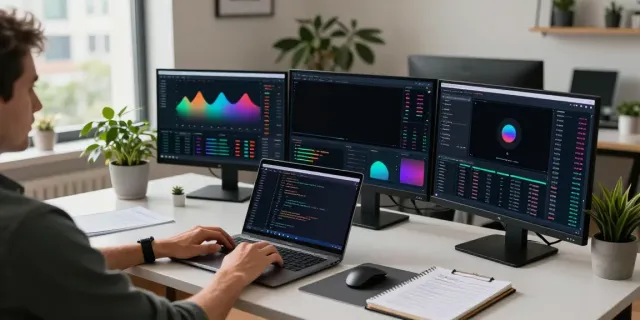
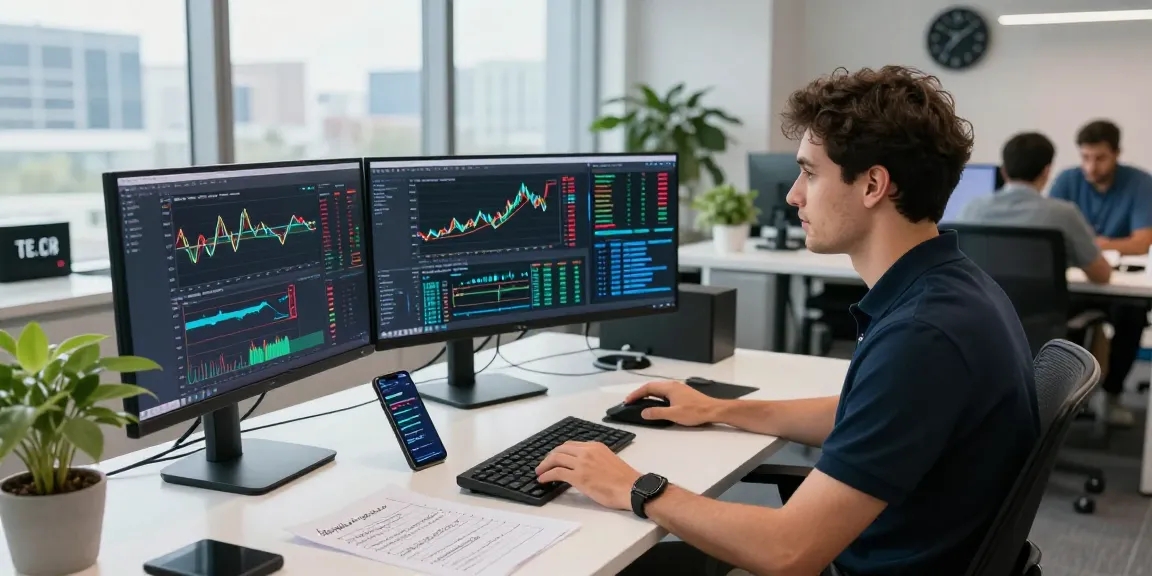
TradingView is a cloud-based charting platform that equips traders with tools to analyze market trends, create alerts, and execute trades. Its user-friendly interface is designed to cater to both novice and professional traders, allowing for customization and personal workflow optimization. Key features of TradingView include:
- Advanced Charting Tools: The platform offers a wide range of chart types and customizable indicators, enabling users to analyze price movements deeply.
- Custom Alerts: Users can set alerts based on specific conditions, ensuring they never miss out on critical market movements.
- Social Networking: Traders can share their insights and strategies, benefiting from community feedback and collaboration.
- Multi-Platform Access: Whether on desktop, mobile, or tablet, TradingView provides a seamless trading experience.
Benefits of Using TradingView for Different Asset Classes
TradingView supports an extensive range of asset classes, including stocks, forex, commodities, and cryptocurrencies. The benefits of using TradingView for each asset class are notable:
- Stocks: With real-time data, users can track market fluctuations and adjust their strategies accordingly. The platform also integrates earnings calendars and news feeds, providing context for price movements.
- Forex: The forex market's volatility requires traders to act quickly. TradingView's alert system and technical analysis tools help identify entry and exit points effectively.
- Cryptocurrencies: As digital assets continue to gain popularity, TradingView's 24/7 market coverage allows for constant monitoring of price changes and trends.
- Commodities: Traders can utilize TradingView's features to analyze futures, metals, and agricultural products, ensuring they stay informed about macroeconomic factors influencing these markets.
How TradingView Compares to Other Trading Platforms
While many trading platforms offer charting and analytical capabilities, TradingView sets itself apart. Here's how it compares:
- Integration of Features: Unlike many platforms that segregate charting, filtering, and alerting functionalities, TradingView integrates these elements into a cohesive interface, streamlining the research process.
- User Community: The social aspect of TradingView allows users to interact, share strategies, and learn from one another, creating a unique atmosphere for collaborative learning.
- Pine Script: TradingView’s proprietary scripting language allows users to create custom indicators and alerts, offering a level of personalization not found in many other platforms.
Building Effective Trading Strategies with TradingView
Creating Custom Indicators Using Pine Script
Pine Script is a powerful tool for users wishing to tailor their analysis further. By creating custom indicators, traders can implement unique strategies specific to their trading style. This flexibility enables users to:
- Develop unique indicators that fit their trading strategies.
- Backtest new strategies against historical data to gauge effectiveness.
- Share or publish indicators within the TradingView community for feedback and improvement.
Backtesting Strategies with TradingView’s Strategy Tester
The Strategy Tester in TradingView is a significant feature for traders looking to validate their strategies. It allows users to:
- Assess the viability of trading strategies over historical data.
- Understand potential drawdowns and profitability before executing live trades.
- Refine strategies through iterative testing, enhancing traders’ confidence in their decisions.
Analyzing Market Trends Through Advanced Charting Tools
With multiple chart types and features, TradingView assists traders in analyzing market trends effectively. Users can:
- Utilize various technical indicators, such as moving averages, RSI, and Bollinger Bands, to identify market conditions.
- Employ drawing tools to mark critical support and resistance levels, helping visualize market dynamics.
- Analyze multiple time frames simultaneously to gain a holistic view of the market.
Common Trading Setbacks and How to Overcome Them
Identifying Trading Mistakes and Learning from Them
Trading can be fraught with challenges, and many traders face setbacks that can hinder their success. Common mistakes include:
- Overtrading due to emotional responses.
- Neglecting to utilize stop-loss orders effectively.
- Failure to adapt strategies based on changing market conditions.
By regularly reviewing trades and maintaining a trading journal, traders can learn from mistakes and develop a more disciplined approach.
Utilizing Trading Alerts to Stay Ahead of the Market
Trading alerts are vital for maintaining awareness of market movements without constant monitoring. Leveraging alerts can help traders:
- Focus on strategy development rather than market watching.
- React swiftly to price movements that meet predefined criteria.
- Filter out noise in the market and concentrate on the most relevant signals.
Developing a Resilient Trading Mindset
The psychological aspect of trading is crucial. Developing a resilient mindset can help traders face the inevitable ups and downs of the market. Strategies include:
- Establishing strict risk management practices.
- Practicing mindfulness and emotional regulation techniques.
- Setting realistic expectations and goals.
Maximizing TradingView for Real-Time Market Analysis
Setting Up Multi-Layout Workspaces for Efficiency
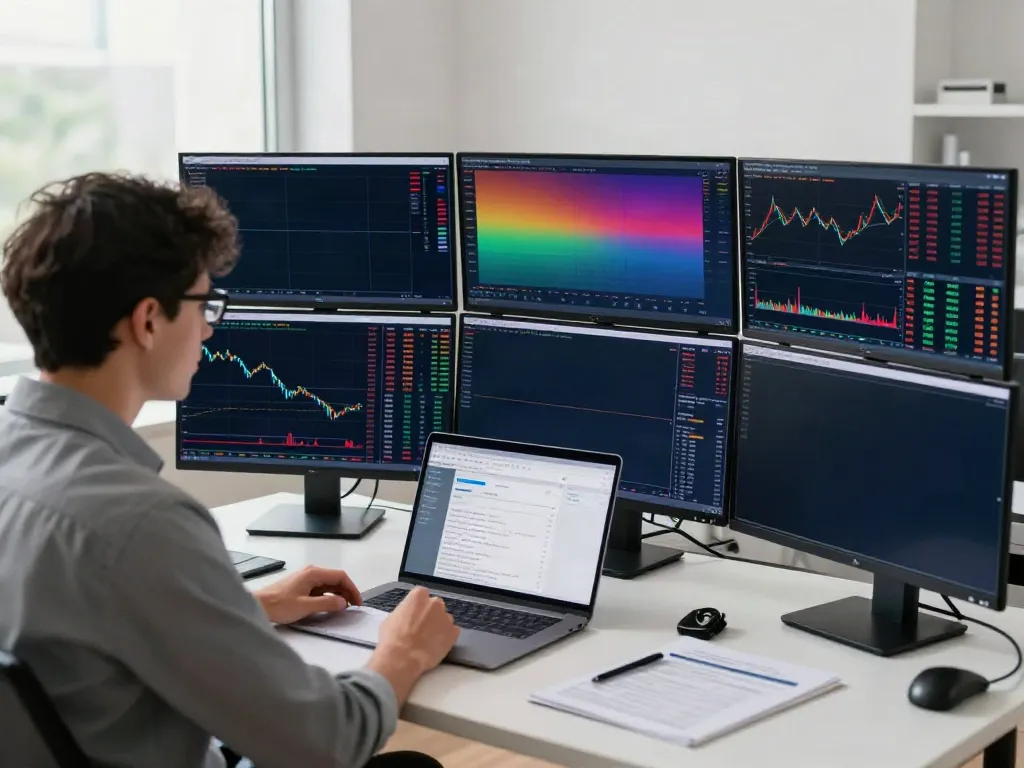
TradingView allows users to create customizable workspaces tailored to their trading needs. By setting up multi-layout workspaces, traders can:
- Monitor multiple assets simultaneously.
- Integrate differing time frames for comprehensive analysis.
- Enhance overall efficiency by having all tools accessible in one view.
Integrating Economic Calendar and News Feeds
To stay informed about macroeconomic events impacting markets, integrating an economic calendar and news feeds into TradingView is essential. This ensures traders:
- Make informed trading decisions based on upcoming releases that may affect market volatility.
- Track real-time news to capitalize on sudden market shifts.
- Utilize an understanding of economic indicators to refine trading strategies.
Leveraging Community Insights for Better Trading Decisions
The TradingView community is a wealth of knowledge, where traders can share insights, analysis, and research. By engaging with the community, users can:
- Gain diverse perspectives on market analysis and sentiment.
- Learn new strategies and techniques from experienced traders.
- Participate in discussions and webinars to enhance overall trading knowledge.
Future Trends in Trading Technology for 2026
Predictions for TradingView Development and Innovations
As technology evolves, TradingView is expected to incorporate more advanced features. Key predictions for its development include:
- Enhanced AI-driven analysis tools to predict market trends with greater accuracy.
- Integration with other financial technologies for a more seamless trading experience.
- Increasing focus on mobile functionality to accommodate traders' needs on the go.
Impact of AI on Trading Strategies and Decision-Making
The integration of artificial intelligence is likely to reshape the way traders approach the market. Potential impacts include:
- AI-driven insights enabling more personalized trading strategies.
- Tools that automate decision-making based on market conditions and historical data.
- Improved risk assessment models to safeguard against significant losses.
Preparing for Changes in Market Dynamics and Regulations
The trading landscape is constantly changing, and it is vital for traders to stay ahead of market dynamics. By preparing for potential regulatory shifts and evolving market conditions, traders can:
- Adapt strategies to align with new regulations that may affect trading practices.
- Monitor global economic trends to anticipate market reactions.
- Engage in continuous learning to remain informed about best practices and compliance.
What Are the Best Practices for Trading in 2026?
To succeed in the future trading environment, traders should focus on:
- Emphasizing risk management and emotional discipline.
- Staying informed about technological advancements in trading tools.
- Utilizing data analysis to make evidence-based trading decisions.