Understanding Ai Trading Software for Cryptocurrency
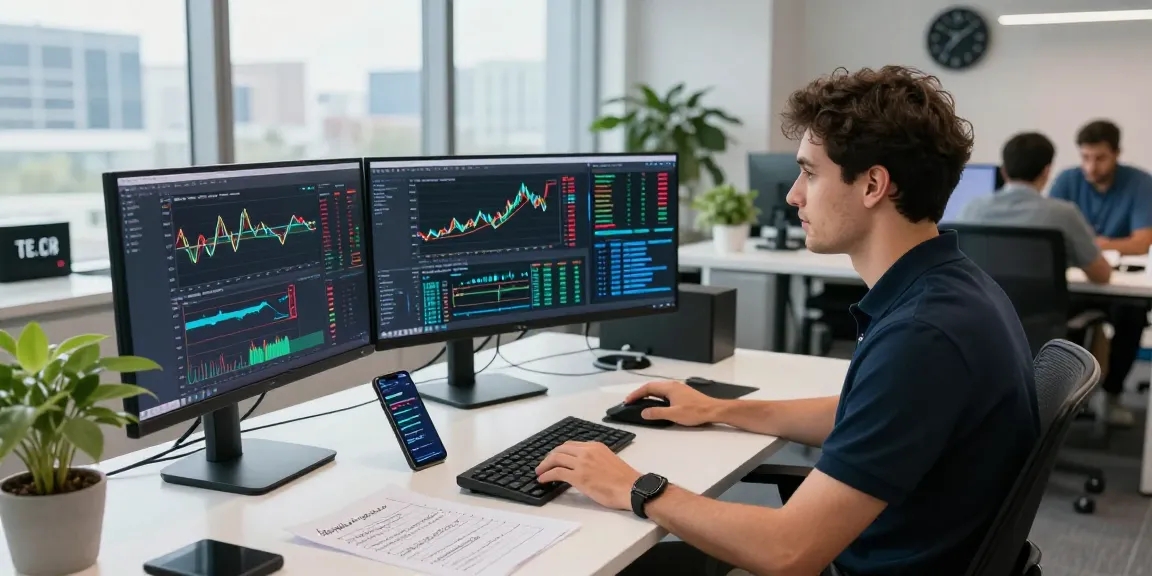
The rise of blockchain technology and cryptocurrency markets has revolutionized the way we trade and invest. Among the latest innovations in this domain is Ai trading software, which leverages artificial intelligence to execute trades based on real-time market analysis and predictive modeling. This cutting-edge technology not only streamlines the trading process but also enhances decision-making, allowing traders to capitalize on market inefficiencies more effectively. When exploring options, Ai Trading Software can provide comprehensive insights into automated execution that complements human trading instincts.
What is Ai Trading Software?
Ai trading software refers to algorithmic programs that employ machine learning techniques and data analytics to automate trading strategies in various financial markets, including cryptocurrency. By processing vast amounts of data at exceptional speeds, these systems can identify patterns, forecast price movements, and execute trades with minimal human intervention. Ai trading tools utilize extensive market data, traditional technical indicators, and social sentiment analysis to inform trading decisions.
Key Features of Ai Trading Software
- Automated Execution: Ai software operates autonomously based on predefined conditions, executing trades when specified parameters are met.
- Real-Time Analytics: Continuous analysis of market data helps traders identify potential opportunities and threats quickly.
- Adaptive Learning: These systems continuously adapt and learn from past trades to improve performance and accuracy over time.
- Backtesting and Simulation: Traders can test strategies against historical data to evaluate their potential performance before real-world application.
- Risk Management Tools: Integrated risk management features help ensure adherence to trading parameters and strategies, protecting users' capital.
Benefits of Using Ai Trading Software in Crypto Trading
The primary advantage of employing Ai trading software in cryptocurrency trading is the remarkable increase in speed and efficiency. Traders can execute numerous transactions in a fraction of a second, capturing the best rates before market conditions change. Additionally, Ai trading systems minimize emotional decision-making, reducing the likelihood of poor trades driven by panic or greed. Continuous data analysis improves overall market understanding and helps identify profitable trading opportunities that human traders may overlook.
Implementing Automated Trading Strategies
How to Set Up Your Ai Trading Engine
Setting up an Ai trading engine involves several steps, including defining the trading strategy, selecting parameters, and configuring risk management options. Initially, traders should establish clear objectives, such as the desired profit targets and risk tolerance levels. Once these criteria are defined, users can choose from different engines or tiers available within an Ai trading platform, as each tier offers varying capabilities and support for different trading strategies.
Customizing Parameters for Optimal Performance
After selecting a trading engine, customization becomes crucial. Users can tweak parameters like profit thresholds, maximum slippage levels, and execution modes to optimize the engine’s performance. The more tailored the settings, the better the software aligns with individual trading goals. Moreover, live efficiency scores can provide insights into the performance of specific strategies against current market conditions, enabling real-time adjustments.
Understanding Market Conditions for Effective Execution
Effective execution of automated trading strategies heavily relies on understanding market conditions. Various factors, including trading volume, volatility index, and macroeconomic indicators, can significantly impact price movements. Traders must analyze these elements to ensure their Ai trading software operates under favorable conditions, periodically re-evaluating their strategies in response to changing market dynamics.
Security Best Practices for Traders
Protecting Your Private Keys and Wallets
Maintaining security in cryptocurrency trading is paramount. Since digital assets are often targeted by cybercriminals, safeguarding private keys must be a top priority. This entails using hardware wallets or secure cryptographic key storage solutions to protect against unauthorized access. Traders are also advised to regularly back up wallet data and implement robust password practices.
Recognizing Common Security Threats in Crypto
Traders must remain vigilant regarding various security threats, including phishing attacks, malware, and fake exchanges. Phishing schemes often involve fraudulent emails or websites that imitate legitimate trading platforms, resulting in the unauthorized access of account credentials. Understanding common attack vectors enables traders to adopt necessary precautions to shield their investments.
Implementing Two-Factor Authentication and Other Safeguards
Utilizing two-factor authentication (2FA) dramatically increases account security by requiring an additional verification step during login. Traders should enable 2FA wherever possible and consider multi-signature wallets for enhanced protection. Regular software updates and being cautious about sharing personal information also play vital roles in maintaining a secure trading environment.
Exploring DeFi Opportunities with Ai Trading Software
Yield Farming and Liquidity Pool Strategies
Decentralized Finance (DeFi) offers numerous opportunities for profit generation, particularly through yield farming and liquidity pools. Ai trading software can help traders optimize their participation in these markets by automatically redistributing assets to capitalize on the best interest rates and liquidity options. Automated tools significantly streamline the process, allowing users to focus on strategy while the software manages the complexities of DeFi protocols.
Understanding Smart Contracts and Their Role
Smart contracts are self-executing contracts with the terms of the agreement directly written into code. They function at the core of many DeFi applications, enabling trustless transactions without intermediaries. Ai trading software often interacts with smart contracts to automate actions based on market conditions, thereby facilitating efficient trading strategies.
Risks and Rewards: Navigating the DeFi Landscape
While engaging in DeFi can yield lucrative rewards, risks such as impermanent loss, smart contract vulnerabilities, and market volatility must also be considered. Educating oneself about potential pitfalls and engaging with reputable projects are essential steps in mitigating risks while exploring DeFi opportunities.
The Future of Ai Trading in Cryptocurrency Markets
Emerging Trends in Ai Trading Technology
The landscape for Ai trading technology is continuously evolving, with trends like natural language processing improving sentiment analysis and real-time communication on social platforms informing trading strategies. Additionally, advancements in machine learning algorithms enable faster processing of market data, leading to more sophisticated predictive modeling and enhanced trade execution.
Potential Market Impacts of Ai in Trading Algorithms
As Ai trading systems become more prevalent, their influence on market dynamics cannot be underestimated. High-frequency trading powered by Ai can contribute to increased liquidity but may also exacerbate volatility when algorithms react to transient market conditions. The balance of these effects will shape future trading ecosystems.
Preparing for Regulatory Changes in 2026
To ensure compliance with forthcoming regulations, traders and developers must closely monitor legislative developments across regions. The SEC's ongoing efforts to classify cryptocurrencies will likely impact trading algorithms and operations, while frameworks like the European Union's MiCA regulation will establish guidelines for crypto markets. Staying informed and adapting strategies accordingly is essential for traders looking to thrive in the changing regulatory landscape.
What is the best Ai trading software?
The best Ai trading software will depend on individual trading goals, strategies, and preferences. Factors such as ease of use, integration with exchanges, and supported trading pairs play vital roles in determining the right option for each trader. Researching user reviews and performance metrics is crucial in finding a suitable solution.
Does Ai trading software really work?
Yes, Ai trading software can deliver significant advantages in market analysis and execution. However, performance is contingent on market conditions and the strategies employed by the user. While Ai can enhance trading efficiency, it does not eliminate risks completely, underscoring the need for users to conduct thorough research and monitor performance closely.
How can I optimize my Ai trading results?
To achieve optimal results with Ai trading software, regularly review trading patterns and performance metrics. Adjusting strategies based on past outcomes and market fluctuations can refine the effectiveness of the Ai engine. Additionally, staying informed about market news and trends is essential for adjusting tactical approaches to maximize returns.
What are the main risks associated with Ai trading?
Risks in Ai trading include algorithmic errors, unexpected market volatility, and exposure to systemic risks inherent in digital assets. Users should be aware that while Ai trading software aids decision-making, it does not guarantee success; hence, understanding potential risks is paramount for effective risk management.
Can I automate my cryptocurrency investments?
Yes, automating cryptocurrency investments is one of the primary functions of Ai trading software. By defining specific strategies and parameters, traders can enable the software to execute trades even during periods of inactivity. This capability allows for continuous market engagement and enhances the potential for profit without requiring constant oversight.