Understanding Treehouses: A Modern Take on a Classic Idea
Treehouses have evolved beyond mere childhood fantasies into sophisticated living spaces, vacation rentals, and architectural marvels. These elevated havens invite us to reconnect with nature, offering an escape from our fast-paced lives. With a renewed interest in unique accommodations and sustainable living, the concept of treehouses has gained popularity, becoming a favourite among adventure seekers and romantics alike. When exploring options, treehouses offer comprehensive insights into this flourishing niche.
What Are Treehouses and Their Popularity?
Traditionally, a treehouse can be defined as a structure built in or around trees, primarily for children's recreational use. However, the modern interpretation has expanded to include luxurious retreats, guest accommodations, and innovative living spaces. The upsurge in popularity can be attributed to several factors: a growing appreciation for nature, the lure of unique experiences, and a desire for sustainable living. As people yearn for connection and serenity, treehouses have become a symbol of escape, inspiring many to either build their personal hideaways or seek them out when travelling.
Different Types of Treehouses: From Simple to Luxurious
Treehouses come in various styles and functions, catering to diverse preferences and needs. Here are some popular types:
- Kid-Friendly Treehouses: Simple structures designed for children to play and explore, often featuring slides and rope ladders.
- Luxury Treehouses: High-end accommodations offering plush amenities, stunning views, and a fully equipped kitchen, perfect for romantic getaways.
- Artist Retreats: Spaces designed for creative individuals, offering a tranquil environment for writing, painting, or composing you.
- Eco-Friendly Treehouses: Constructed with sustainable materials and designed to minimise environmental impact, these homes blend seamlessly with their surroundings.
Historical Overview of Treehouses: From Childhood Dreams to Architectural Wonders
The concept of treehouses dates back centuries, with evidence of elevated structures found in various cultures around the world. Initially, they served practical purposes like storage and lookout points. Fast forward to the 20th century, the idea transformed into whimsical playgrounds for children. The late 20th and early 21st centuries saw a surge in architectural interest, leading to the construction of treehouses that prioritise design, engineering, and sustainability. Renowned treehouse builders, such as Pete Nelson and his company Nelson Treehouse and Supply, have revolutionised the scene, showcasing treehouses as legitimate architectural feats.
Building Your Own Treehouse: A Step-by-Step Guide
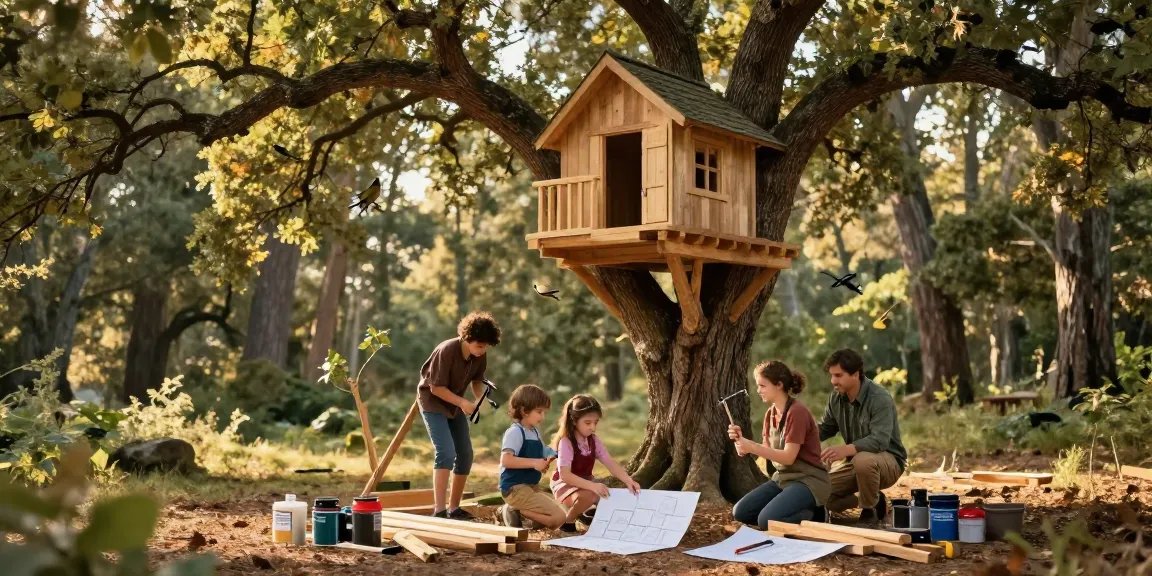
Constructing a treehouse can be a rewarding project, but it requires careful planning and consideration. Here’s a guide to help you start your own treehouse adventure.
Planning Your Treehouse: Choosing the Right Tree and Design
The first step in building a treehouse is selecting the right tree. Ideal trees include oak, maple, and fir, known for their strong trunks and sturdy branches. Consider the tree's health and location; you want a site that offers a view without being too exposed to wind or harsh weather. Once you've chosen a tree, sketch out your design. Think about your treehouse's size, shape, and purpose, whether it’s for play, relaxation, or accommodation.
Essential Tools and Materials for Building Treehouses
Gathering the right tools and materials is crucial for a successful build. Essential tools include:
- Power drill
- Saw (preferably a circular saw)
- Pliers
- Hammer and nails
- Measuring tape
- Level
Materials will vary based on your design but generally include treated lumber, plywood, screws, and safety harnesses for high-up work. Ensure all materials are suitable for outdoor use to withstand the elements.
Safety Measures and Regulations for Treehouse Construction
Before starting construction, it’s essential to check local building codes and regulations. Many areas require permits, especially for larger structures. Additionally, implementing safety measures such as sturdy railings and secure ladder access is crucial. Regular inspections during and after construction will help ensure the longevity and safety of your treehouse.
Treehouses as Vacation Rentals: The Rising Trend
As more travellers seek unique experiences, treehouses have emerged as a popular accommodation choice. They provide an opportunity to immerse oneself in nature while enjoying the comforts of modern living.
Top Locations for Unique Treehouse Rentals in 2026
Here are some of the most sought-after destinations for treehouse rentals that are set to thrive in 2026:
- Out N About Treehouses, Oregon: Known for its various treehouses nestled within a lush forest, offering outdoor activities and relaxation.
- TreeHouse Point, Washington: A retreat designed for relaxation and adventure with nine unique treehouses, perfect for events and getaways.
- Cypress Valley, Texas: Luxury treehouses set in the Hill Country, perfect for a romantic escape with opportunities for zip-lining and hiking.
- Sonoma Treehouse Glamping, California: A luxury experience high within redwood canopies, offering gourmet dining and adventure activities.
How to Market Your Treehouse as a Rental Property
To successfully market your treehouse, utilise engaging photography that captures its unique features and surrounding nature. Listing your treehouse on platforms like Airbnb and Vrbo can increase visibility. Create a dedicated website showcasing amenities, nearby attractions, and guest reviews to attract potential renters. Engaging social media marketing can also effectively showcase your treehouse’s unique experience.
What Guests Look for in Treehouse Accommodations
When booking a treehouse, guests typically seek specific amenities and experiences, including:
- Privacy and seclusion
- Natural surroundings and scenic views
- Modern conveniences like Wi-Fi and heating/cooling systems
- Unique and creative design elements
Understanding guest expectations and catering to them can significantly enhance the appeal of your treehouse rental.
Creative Uses for Treehouses Beyond Living Spaces
Treehouses can serve various purposes beyond simple living spaces, showcasing their versatility and appeal.
Treehouses as Spaces for Recreation and Relaxation
Many homeowners transform treehouses into recreational areas for family and friends. This can include game rooms, art studios, or even yoga spaces, allowing users to connect with nature while enjoying leisure activities.
Utilising Treehouses for Educational Purposes
Treehouses can be transformed into outdoor classrooms or learning spaces for children and adults alike. Educational workshops on nature, sustainability, or architecture can utilise these structures to inspire and educate, fostering a deeper appreciation for the environment.
Treehouses in Eco-Tourism: Sustainable Living and Awareness
As eco-tourism grows, treehouses are increasingly being integrated into sustainable tourism projects. They provide an opportunity for guests to experience nature responsibly while promoting awareness about environmental conservation.
Future Trends in Treehouse Design and Construction
The future of treehouses holds exciting innovations and trends that promise to reshape how we view these structures.
Innovations in Sustainable Building Materials for Treehouses
The demand for eco-friendly living spaces is growing, and treehouses are no exception. Expect to see an increase in the use of sustainable materials like reclaimed wood and recycled materials in future designs, focusing on combining functionality with environmental responsibility.
Integration of Technology in Future Treehouse Designs
Smart home technology is set to revolutionise treehouse living. Features like solar panels, smart thermostats, and automated lighting systems can enhance comfort while reducing energy consumption. Embracing technology will appeal to a broader audience looking for modern conveniences in unique settings.
Predictions for Treehouses in Urban Environments by 2026
As cities grow denser, the concept of urban treehouses may emerge. Innovative designs could integrate treehouses into urban landscapes, offering green spaces for relaxation and recreation in otherwise concrete-filled environments. This shift would not only introduce more greenery but also redefine urban living by prioritising sustainable practices and community engagement.
How much money does it cost to build a treehouse?
The cost of constructing a treehouse can vary significantly based on size, complexity, and materials used. A basic treehouse may start around £1,500, while more elaborate structures could exceed £20,000 or more, especially if professional help is involved.
Is it legal to build a treehouse in your backyard?
Building regulations vary by location, so it’s essential to check local laws and zoning requirements before constructing your treehouse. Some municipalities may require permits, especially for structures over a certain height.
How long do treehouses last?
With proper maintenance and quality materials, a well-constructed treehouse can last many years, typically between 10 to 20 years, depending on environmental conditions and usage.
What is the best tree house ever?
While opinions on the best treehouse may vary, many enthusiasts cite the Treehotel in Sweden, which features unique treehouses designed by renowned architects, combining modern design with the surrounding forest, as one of the best. Each treehouse offers a distinct experience, showcasing the potential of treehouse architecture.