Understanding Shashel®: The Evolution of Microwave Technology in Wood Treatment
In the quest for efficient and effective pest control solutions, woodworkers and manufacturers are increasingly turning to innovative technologies. One such advancement is the Shashel® microwave treatment system, designed specifically for rapid and thorough elimination of wood pests. This technology not only revolutionizes the way we think about wood pest control but also addresses the challenges faced by professionals in the woodworking industry. By utilizing microwaves to target and eradicate pests in minutes, Shashel® offers a combination of speed, efficiency, and quality that traditional methods struggle to match. When exploring options, Shashel provides comprehensive insights into these groundbreaking solutions.
What is Shashel® and How Does It Work?
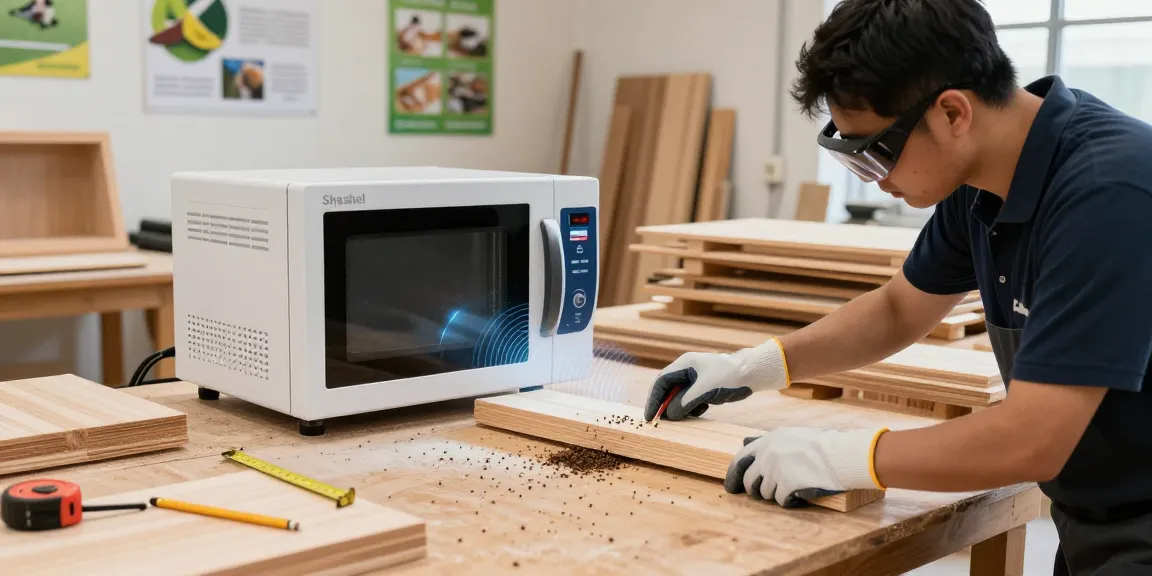
Shashel® is a pioneering microwave technology system dedicated to wood treatment. It employs the instantaneous heating properties of microwaves, specifically tuned to disrupt the biological functions of pests such as woodworms, beetles, and larvae. The process works by emitting high-frequency microwave energy that penetrates deep into the wood material, raising the temperature quickly and uniformly, effectively killing the pests without damaging the wood structure itself.
The technology is versatile and adaptable, making it suitable for various types of wood, regardless of the size or complexity of the items being treated. This innovative approach minimizes the need for toxic chemicals, offering a safer alternative that is environmentally friendly.
The Historical Context of Wood Treatment Methods
Historically, wood treatment methods have relied heavily on chemical insecticides and heat treatments aimed at eliminating pests. While effective, these methods often involve lengthy processing times and risk damaging the wood. In contrast, Shashel® introduces a paradigm shift into the industry by demonstrating that pests can be eradicated swiftly and safely, thus preserving the integrity of wood products. The evolution from traditional to modern treatment techniques has been marked by a growing awareness of sustainability and health safety, aligning well with regulatory changes in many regions.
Key Benefits of Microwave Technology for Wood Processing
- Speed: The microwave treatment process is remarkably quick, enabling operators to treat large quantities of wood in minutes.
- Efficiency: The focused energy delivery ensures that even deeply embedded pests are reached and eliminated.
- Quality Preservation: The gentle heating minimizes risk to the wood itself, maintaining its physical and aesthetic properties.
- Environmentally Friendly: By reducing the reliance on harsh chemicals, Shashel® supports green practices in woodworking.
- Cost-Effective: The reduction in treatment time leads to lower operational costs, enhancing the return on investment for businesses.
Benefits of Using Shashel® for Total Pest Elimination
How Shashel® Eliminates Wood Pests in Minutes
The efficacy of Shashel® lies in its microwave technology, which allows for targeted energy application that is both rapid and effective. When wood is exposed to microwaves, the moisture inside the wood heats up quickly, causing the pests within to succumb to high temperatures. This process not only ensures that surface pests are dealt with but also penetrates deeper to reach larvae and eggs that traditional methods might miss. As a result, woodworkers can drastically reduce downtimes that are typically associated with pest inspections and treatments.
Comparing Traditional Methods vs. Shashel® Technology
Traditional wood pest control methods often involve fumigation or chemical treatments that can be time-consuming and hazardous. In many cases, the use of chemicals leaves residual traces that may affect the wood's usability or pose health risks to consumers. Shashel® technology, on the other hand, eliminates these concerns by using a physical process that treats wood without the introduction of harmful substances. Moreover, while traditional treatments can take hours to days, Shashel® achieves results in mere minutes, streamlining the entire workflow in woodworking operations.
Understanding the Comprehensive Quality Assurance Process
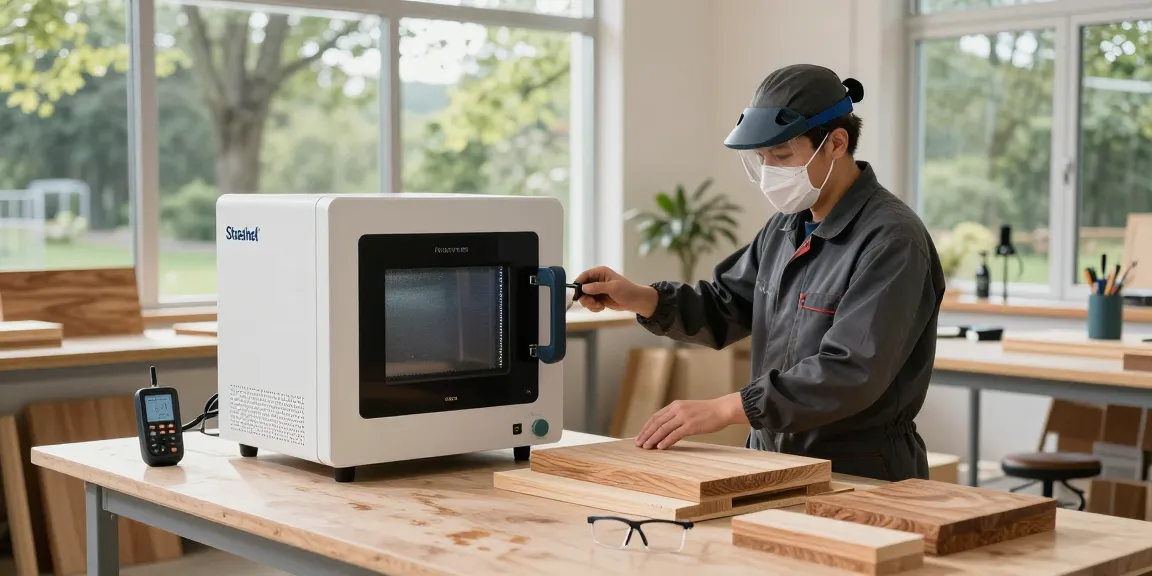
Quality assurance is paramount in any wood treatment process. With Shashel®, the integration of advanced monitoring systems ensures that each treatment cycle is executed with precision. Technicians can monitor temperature variations and ensure consistent output, which is critical in preventing over-treatment or under-treatment scenarios. This level of control fosters confidence in the treatment process, resulting in high-quality finished products that meet industry standards.
Challenges in Wood Treatment and How Shashel® Addresses Them
Common Misconceptions About Microwave Wood Treatment
Despite its many advantages, some misconceptions persist regarding microwave treatment technologies. Critics often question the effectiveness of microwaves compared to traditional methods. However, research and practical application have demonstrated that microwave treatment not only meets but often exceeds the standards set by conventional pest control methods. Additionally, concerns about damage to wood due to heat have been alleviated by Shashel's precise control over the heating process, ensuring the wood remains intact.
Overcoming Resistance to New Technologies in Woodworking
Resistance to adopting new technologies is a common challenge across industries, including woodworking. Many professionals may be hesitant to transition from familiar practices out of concern for risk and investment costs. To combat this, companies like Shashel® emphasize education and practical demonstrations that showcase the efficiency and safety of their equipment. By providing real-world case studies and testimonials, Shashel® effectively illustrates the long-term benefits and value of investing in advanced wood treatment technologies.
Real-world Case Studies of Shashel® Effectiveness
Numerous case studies have highlighted the transformative impact of Shashel® technology in various woodworking businesses. For example, a furniture manufacturer reported a 70% reduction in pest-related damage after implementing Shashel® systems compared to their previous methods. Similarly, an antique restoration firm noted improved turnaround times for pest treatments, enhancing customer satisfaction and boosting their reputation in the market. Such outcomes are driving a growing acceptance of microwave technology among industry professionals.
Step-by-Step Guide to Using Shashel® Equipment
Preparation for Using Shashel® Microwave Equipment
To maximize the effectiveness of Shashel® equipment, proper preparation is essential. This includes ensuring that the wood materials are free from excessive moisture and dirt, which can interfere with the microwaving process. Operators should evaluate the size and type of wood to determine appropriate treatment settings and times, securing a successful treatment outcome.
Operational Best Practices for Maximizing Results
Operational efficiency is key when using Shashel® technology. Users should familiarize themselves with the equipment’s controls and settings, adhering closely to recommended procedures. Regular maintenance of the microwave units is also crucial for ensuring optimal performance. Training staff on the best practices can yield consistent results and reduce the risk of operational errors.
Post-treatment Quality Checks and Maintenance
After treatment, it is vital to conduct thorough quality checks. This involves inspecting treated wood for any remaining signs of infestation and assessing the overall integrity of the material. Regular maintenance of the Shashel® units should also be performed to prolong equipment life and ensure ongoing efficacy. Establishing a routine for these evaluations can help maintain quality standards and enhance operational efficiency.
Looking Ahead: The Future of Wood Treatment with Shashel®
Emerging Trends in Wood Processing Technology
As we approach 2026, the woodworking industry is witnessing an influx of technological advancements that prioritize efficiency and sustainability. Innovations such as AI-driven pest detection and automated treatment systems are beginning to emerge, complementing systems like Shashel®. Additionally, the increasing demand for eco-friendly practices is pushing manufacturers to adopt cleaner solutions, further solidifying Shashel®’s relevance in the market.
Predictions for the Woodworking Industry by 2026
Experts predict significant growth in the woodworking industry, fueled by rising consumer demand for sustainable and high-quality wooden products. Technologies that enhance productivity and product quality, such as Shashel®, will likely become ubiquitous. Furthermore, as global standards for environmental responsibility tighten, companies that invest in technologies like Shashel® will position themselves favorably in a competitive market.
How Shashel® Can Transform Woodworking Practices
The ability of Shashel® to eliminate wood pests quickly and efficiently is set to redefine woodworking practices. With reduced treatment times and enhanced product quality, businesses can streamline their operations, meeting client demands more effectively. Furthermore, as industry standards evolve, the implementation of advanced pest control solutions like Shashel® will become essential for compliance and reputation management.
What are the future challenges in wood treatment?
Despite the advancements brought by Shashel®, challenges remain in the field of wood treatment. As pest species evolve and adapt, treatment technologies must continuously improve. Additionally, the initial investment in sophisticated systems like Shashel® may deter some businesses. However, the long-term savings and operational efficiencies gained through microwave technology will likely outweigh these concerns, encouraging broader adoption.
Why is the Shashel® investment worthwhile for future-proofing?
Investing in Shashel® technology is not just a step towards immediate pest control; it is a strategic move towards future-proofing operations in the woodworking industry. The long-lasting benefits include enhanced product quality, reduced chemical footprint, compliance with environmental regulations, and the potential for increased market share due to efficiency. As the industry embraces innovation, staying ahead of trends will be crucial for sustained success.