
Understanding Смайл Vision Correction
In the world of vision correction, Смайл (Small Incision Lenticule Extraction) is rapidly gaining recognition for its innovative approach and impressive outcomes. With advancements in technology and surgical techniques, Смайл offers a minimally invasive alternative to traditional methods like LASIK and PRK. This procedure not only enhances vision but also minimizes recovery time and discomfort for patients. As more people seek effective solutions for their vision issues, Смайл has emerged as a beacon of hope for many. When exploring options, Смайл provides comprehensive insights into the procedures and benefits available.
What is Смайл and How Does it Work?
Смайл is a revolutionary eye surgery technique designed to correct refractive errors such as myopia (nearsightedness) and astigmatism. Unlike traditional LASIK, which involves creating a flap in the cornea, Смайл utilizes a small incision, allowing the surgeon to remove a lenticule of tissue from within the cornea. This precise removal reshapes the cornea without the need for a large flap, resulting in a quicker recovery and less postoperative discomfort.
The process begins with a comprehensive eye examination to determine the patient’s eligibility for this procedure. If approved, the surgeon will use a femtosecond laser to create the lenticule and the small incision. Patients typically experience minimal pain during the procedure and can often return to normal activities within a few days.
Key Advantages of Смайл Over Traditional Methods
- Minimally Invasive: The small incision in Смайл results in less trauma to the cornea compared to LASIK.
- Faster Recovery: Patients often report quicker visual recovery and less postoperative discomfort.
- Greater Safety: With no corneal flap, the risk of flap-related complications is eliminated.
- Precision: The technique allows for highly accurate corrections tailored to individual cases.
Who is an Ideal Candidate for Смайл Surgery?
Ideal candidates for Смайл include individuals aged 18 and older with stable vision prescriptions, generally between -1.00 to -10.00 diopters of myopia and up to -3.00 diopters of astigmatism. Those with thin corneas or who have previously undergone eye surgeries may not be suitable candidates.
It’s essential for prospective patients to undergo comprehensive evaluations to ascertain their eligibility. The SNU Eye Clinic offers 52 detailed tests to ensure that each individual receives personalized care tailored to their unique vision needs.
The Importance of Comprehensive Eye Examinations
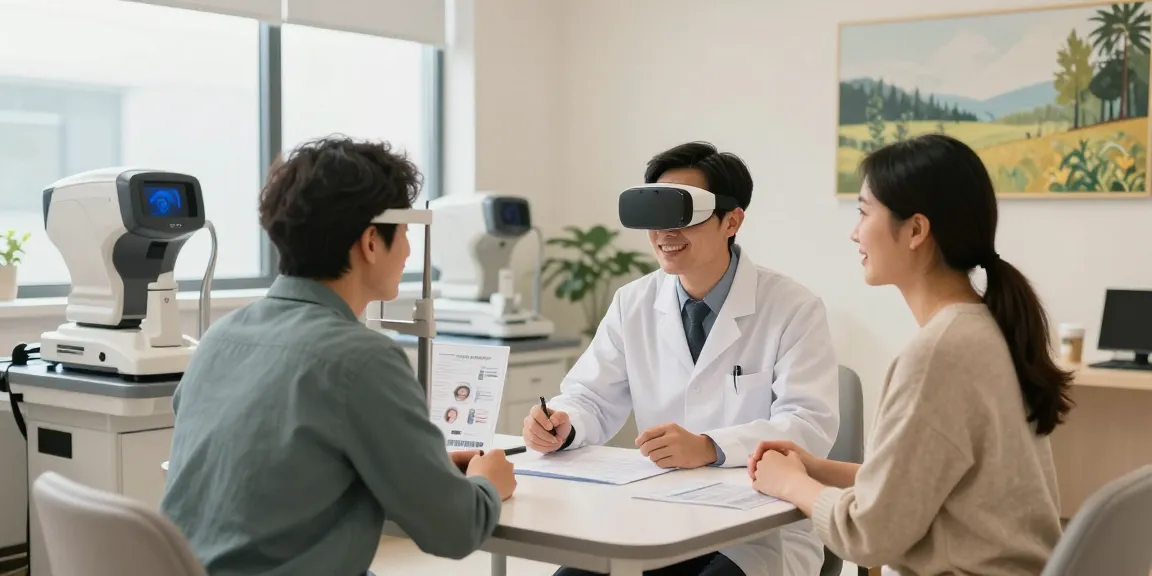
Comprehensive eye examinations play a critical role in determining the appropriate treatment for vision correction. At the SNU Eye Clinic, our rigorous assessment process includes 52 detailed tests across seven categories. This extensive testing not only helps us identify refractive errors but also uncovers underlying health issues that could affect both vision and overall eye health.
52 Detailed Tests: What to Expect?
During your examination at the SNU Eye Clinic, you can expect a comprehensive evaluation that includes:
- Visual acuity tests
- Corneal topography
- Pachymetry (measuring corneal thickness)
- Wavefront analysis
- Retinal examination
- Assessment of eye muscle function
- Refraction tests
How Detailed Tests Improve Surgical Outcomes
Detailed tests allow our specialists to create a customized surgical plan that optimally addresses each patient’s unique vision issues. By gaining a thorough understanding of the patient’s eye health, we can enhance the accuracy of the Смайл procedure and improve overall surgical outcomes.
Common Misconceptions About Eye Health Assessments
Many people mistakenly believe that routine eye exams are only necessary for individuals experiencing vision problems. In reality, regular eye examinations are crucial for detecting potential issues before they become serious. Early detection can lead to more effective treatments and better long-term outcomes for patients.
Patient Success Stories
At SNU Eye Clinic, we pride ourselves on the positive transformations our patients experience through Смайл surgery. These success stories not only highlight the effectiveness of our procedures but also offer hope to those considering vision correction.
Real-Life Transformations Through Смайл Surgery
One notable example is a patient who struggled with severe myopia for over ten years. After undergoing Смайл surgery, they reported immediate improvements in vision, allowing them to return to their passion for photography without the hassle of glasses or contact lenses.
Analyzing Patient Testimonials and Feedback
Patient testimonials often reflect satisfaction not only with their newfound vision but also with the care and support received throughout their journey. Many emphasize the professionalism of our staff and the thoroughness of the pre-operative assessments.
Visual Case Studies: Before and After Results
Visual case studies serve as powerful tools to illustrate the effectiveness of Смайл. In our clinic, we maintain a gallery of before-and-after images to showcase the remarkable improvements achieved by our patients.
Advancements in Eye Care Technologies
As eye care technology continues to evolve, the methods for vision correction are becoming increasingly sophisticated. At SNU Eye Clinic, we stay at the forefront of these advancements to ensure our patients receive the best possible care.
The Role of Technology in Modern Eye Surgery
Modern technologies, such as femtosecond lasers and advanced imaging systems, have revolutionized eye surgery. These tools enable precise measurements and corrections, significantly enhancing the safety and efficacy of procedures like Смайл.
Future Innovations in Смайл and Vision Correction
Emerging technologies promise to further refine how we approach vision correction. Innovations such as artificial intelligence in pre-operative planning and post-operative care may offer even greater customization for individual patient needs.
How Technology Enhances Patient Experience
Beyond surgical accuracy, technology also enhances the overall patient experience. Online consultation scheduling, real-time updates during surgery, and digital follow-up reminders contribute to a seamless process from start to finish.
Scheduling a Consultation: What to Know Before You Go
Deciding to undergo vision correction surgery is a significant step. Preparing for your consultation can help ensure you get the most out of your visit, leading to informed decisions regarding your eye health.
Preparing for Your First Appointment
Before your appointment, compile a list of questions or concerns you may have about the Смайл procedure. It’s also helpful to provide your eye care history, including previous surgeries or treatments.
Understanding the Consultation Process
Your consultation will involve a comprehensive examination and a discussion of the results. The surgeon will explain the Смайл process, potential benefits, and any risks involved, allowing you to make a well-informed decision.
Frequently Asked Questions About Смайл Surgery
What are the Risks Involved in Смайл?
As with any surgical procedure, Смайл carries some risks, including dry eyes, glare, and fluctuations in vision. However, these side effects are generally temporary and can be managed effectively.
How Long Does Recovery Take After Смайл?
Most patients experience a quick recovery, with many returning to normal activities within a few days. Complete healing may take several weeks, during which regular follow-ups are important.
Are There Age Restrictions for Смайл Surgery?
Generally, patients must be at least 18 years old for Смайл surgery. However, the ideal age can vary depending on individual circumstances and the stability of one’s vision prescription.
How Much Does Смайл Surgery Cost?
The cost of Смайл surgery can vary based on several factors, including the complexity of the case and the facility where the procedure is performed. At SNU Eye Clinic, we strive to provide transparent pricing and various financing options for our patients.
What Happens During a Follow-Up Appointment?
Follow-up appointments are crucial for monitoring your healing process. During these visits, the surgeon will assess your vision, check for any complications, and adjust treatment plans as necessary.